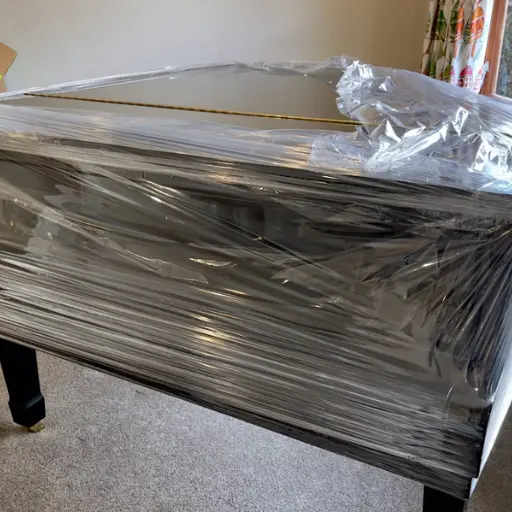
Moving a piano safely comes down to the right equipment (a piano board or dolly, straps, and padding) and technique matched to the instrument — a grand piano and an upright piano are moved completely differently, and both are heavy, awkward, and expensive to get wrong.
Why Pianos Need Specialist Handling
A piano isn’t just heavy — its weight is unevenly distributed, its finish scratches easily, and internal components (strings, hammers, action) can be knocked out of alignment by rough handling or an unsecured tilt during transport. Standard furniture-moving equipment isn’t built for this combination of weight and fragility.
Grand Pianos vs. Upright Pianos
- Upright pianos are moved standing, typically strapped onto a piano dolly and moved through doorways and stairs with careful spotting on both ends.
- Grand pianos need to be partially disassembled — the lid, legs, and pedal lyre typically come off — and the body is wrapped and secured onto a piano board before it’s moved, since the shape and weight distribution make an upright-style dolly move unsafe.
What to Check Before Booking a Piano Move
- Ask directly if they have piano-specific equipment and experience — not just general furniture-moving capability. This is one case where “we move furniture” isn’t the same as “we move pianos”.
- Confirm insurance covers the piano’s value specifically — a piano is often worth more than most other single items in a house move, and standard coverage limits may not be enough.
- Check access at both ends — stairs, doorway widths, and tight turns matter more for a piano than almost any other item. Flag anything unusual (narrow hallways, split-level homes) when you book.
Frequently Asked Questions
Can I move a piano myself?
It’s not recommended. Pianos are heavy, awkwardly balanced, and expensive to repair if dropped or knocked — the risk to you and the instrument is much higher than with standard furniture.
What’s the difference between moving a grand piano and an upright?
An upright is strapped onto a piano dolly and moved standing. A grand piano needs the lid, legs, and pedal lyre removed, and the body wrapped and secured onto a piano board — a different process entirely due to its shape and weight distribution.
What should I ask a removalist before booking a piano move?
Whether they have specific piano-moving equipment and experience (not just general furniture experience), whether insurance covers the piano’s actual value, and how they plan to handle any tricky access points at either address.
