The neighbourhood
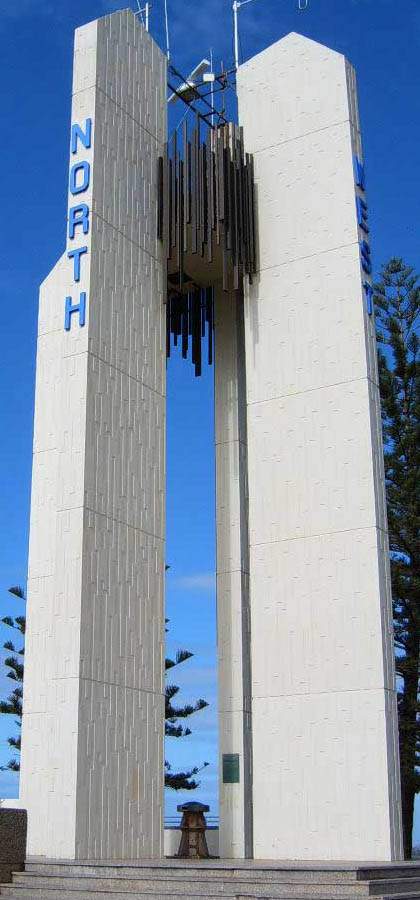
Coolangatta is the Gold Coast's southernmost suburb, sitting right on the Queensland/New South Wales border with Tweed Heads — the line runs straight through Point Danger, marked by the Captain Cook Memorial Lighthouse, one of the most recognisable landmarks anywhere on the Gold Coast coastline. The suburb has grown from a small beachside town into a busy holiday and residential strip, with a high concentration of apartment towers in the northern Coolangatta area near the beachfront, plus older low-rise units and houses further back from the water. Being the last Queensland suburb before the border also gives Coolangatta a distinct identity of its own — part beach town, part gateway, with a tourism economy that runs year-round rather than just over summer.
The Superbank — the run of surf breaks from Snapper Rocks through Rainbow Bay, Greenmount and Kirra — is one of the best-known stretches of coastline in Australian surfing and brings serious tourist and event traffic, especially around the Quiksilver and Roxy Pro surf events, which put Coolangatta squarely on the international surfing calendar most years. That mix of full-time locals, holiday-let turnover and a strong surf and tourism economy gives Coolangatta a different rhythm to the quieter residential suburbs further inland, and it means our crews see everything from long-term retirees downsizing out of older units to young renters and investors turning over holiday apartments.
Getting around
Coolangatta sits right next to Gold Coast Airport and the NSW border, so we're used to the logistics that come with it — tight one-way streets around the beachfront towers, holiday-let turnover traffic, and interstate moves that cross straight into Tweed Heads or further into northern NSW without missing a beat. Marine Parade and the surrounding beachfront streets can get congested during peak holiday periods and surf events. Streets further back from the beachfront, closer to the older residential pockets, are generally quieter and easier for a truck to work with than the tighter one-way system near the towers.
The suburb's proximity to the airport also means occasional flight-path noise and airport-related traffic to plan around, though this rarely affects a moving day directly — it's more a factor in scheduling around drop-off and pick-up traffic near the terminal precinct. Being right on the border also means we regularly plan two-state logistics for a single job, something not every Gold Coast removalist deals with day to day.
What we watch for on moving day
Lift access and loading zone timing matter more here than in most Gold Coast suburbs, given how many of the moves are into high-rise units along Marine Parade and Coolangatta Beach. We confirm building access and lift bookings ahead of time and check the local events calendar, since Coolangatta's surf events around Snapper Rocks and Kirra draw big crowds that can affect both parking and street access.
For moves crossing the border into Tweed Heads or further into northern NSW, we handle the logistics as a matter of course — no extra paperwork headache for you. Peak holiday periods, when the population of the suburb swells with visitors, are also worth flagging when you book, since street parking and loading zones get busier than usual. Whether you're relocating into a beachfront apartment, moving a family home further back from the coast, or crossing the border to or from Tweed Heads, we plan around the local traffic and event calendar so your moving day goes smoothly. For beachfront towers along Marine Parade in particular, we also confirm one-way street directions and any temporary loading restrictions before the day, since the coastal road layout here changes more often than in most Gold Coast suburbs.